Blockchain as an Estate Planning Tool
Martin M. Shenkman, Esq., Thomas A. Tietz, Esq., Deepak Saini, and Ishan Shukla
July 23, 2026
Description:
Estate planning is evolving rapidly—and traditional, document-centric approaches may not remain adequate to address risks and issues in a rapidly advancing technological environment.
This webinar will provide estate planners, even those with no understanding or awareness of the blockchain, crypto, NFTs and similar concepts, with a clear, actionable framework for integrating blockchain technology into modern planning strategies. Simple explanations of the blockchain and related concepts will be provided. The program focuses on real-world applications, including how blockchain can create tamper-evident records of wills, trusts, and related documents; how cryptographic hashing can establish a permanent “fingerprint” of client documents for evidentiary protection; and practical strategies to reduce disputes involving lost, altered, or competing documents.
The program will also address fraud, undue influence, and late-stage document challenges using objective verification techniques, and demonstrate how to build a coordinated, version-controlled system for multiple estate planning instruments. Additional topics include improving asset discovery through verifiable inventories, enhancing estate administration efficiency, structuring secure access to digital assets, and implementing milestone-based communications to transmit client values. Attendees will leave with concrete, practice-ready tools to modernize their planning approach, better protect client intent, and respond effectively to the growing complexity of digital and global wealth.
Access Course
Free
Free
Continuing Education Credits
InterActive Legal is not an approved Continuing Education (CE) Sponsor. However, several states and
regulatory agencies for a variety of professionals that participate on our teleconferences may still receive
continuing education credit for their participation. If a participant wishes to receive CE credit for their
participation in these teleconferences, they must apply to receive credit on their own and through their
individual states and regulatory authorities. It is the responsibility of the participant to file for CE
credit and is not guaranteed by the webinar sponsors.
Martin M. Shenkman, Esq.

Martin M. Shenkman is an attorney in private practice in Fort Lee, NJ, and New York City. His practice concentrates on estate and tax planning, planning for closely held business, and estate administration.
Mr. Shenkman is an author of over 42 books and more than 1,000 articles. He is an editorial board member of Trusts & Estates Magazine and the Matrimonial Strategist, and an advisor for InterActive Legal. He is the recipient of many awards including being a 2013 recipient of the prestigious Accredited Estate Planners (Distinguished) award from the National Association of Estate Planning Counsels. Mr. Shenkman was named Financial Planning Magazine 2012 Pro-Bono Financial Planner of the Year for his efforts on behalf of those living with chronic illness and disability. Investment Adviser Magazine featured him on the cover of its April 2013 issue naming as the lead of their “all-star lineup of tax experts.”
Thomas A. Tietz, Esq.
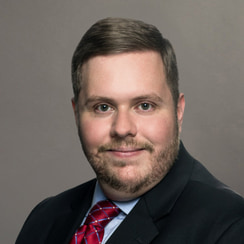
Thomas A. Tietz, JD, is an attorney in private practice in New Jersey and New York, assisting clients with Estate Planning.
He is the author of more than 30 articles and has published articles with Trusts & Estate Magazine, the American Bar Association E-Report, the National Association of Estate Planning Council’s Journal of Estate and Tax Planning, and Leimberg Information Services, Inc. (LISI). He has lectured for numerous professional organizations, including the Notre Dame Tax & Estate Planning Institute, the New Jersey State Bar Association, the CPA Academy, and the National Academy of Continuing Legal Education.
Deepak Saini
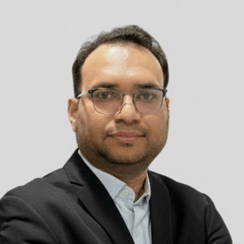
Deepak Saini is the Founder and Chief Executive Officer of BlockWill, a digital estate-planning platform incorporated in the Dubai International Financial Centre (DIFC). BlockWill uses zero-knowledge encryption and blockchain-backed verification to help clients protect and transfer cryptocurrency, digital accounts, property, and critical documents to their beneficiaries. Deepak works closely with family offices and wealth managers to close the gap between rapidly growing digital wealth and the succession infrastructure required to transfer it securely and lawfully.
Ishan Shukla
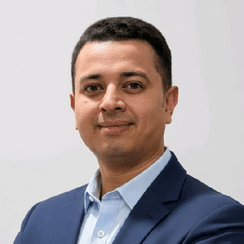
Ishan Shukla is Co-Founder and Head of Strategy at BlockWill, a digital-inheritance platform that helps individuals and families securely record, protect, and transfer digital and traditional assets to their heirs. He leads BlockWill’s approach to estate-planning infrastructure and writes and speaks frequently on the coming wave of private wealth transfer and the gap between on-chain assets and the legal frameworks needed to pass them on. His work focuses on pairing established legal practice with cryptographically verifiable systems for securing a family’s digital legacy.
Access Course
Free
Free
Related Classes
© Copyright 2025 - 2026 ILS Management LLC d/b/a InterActive Legal; All Rights Reserved